
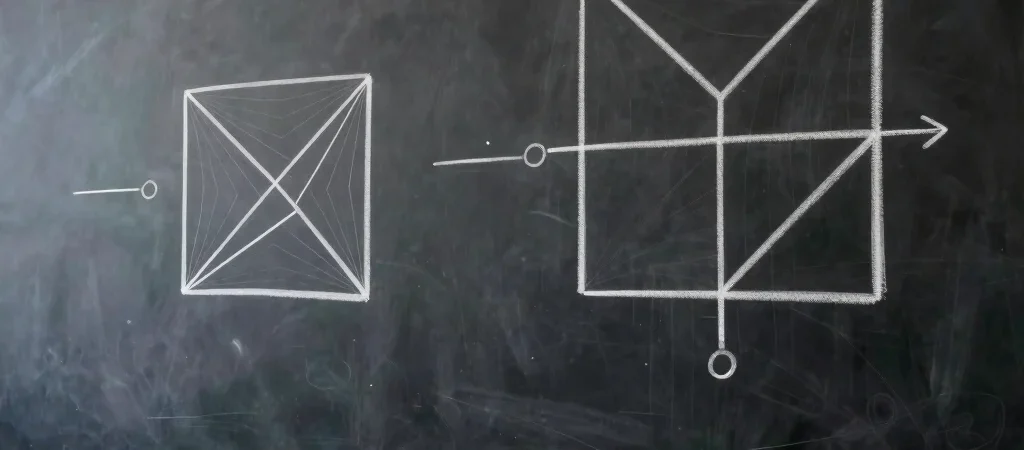
Spatial cognition plays a decisive yet frequently understated role in undergraduate STEM and humanities education. From interpreting topographic contours in geology to conceptualizing geometric relationships in abstract mathematics, spatial reasoning serves as a cross-disciplinary foundation for problem-solving. Explicitly embedding spatial exercises into early university curricula yields measurable improvements in student confidence and academic performance.
Spatial Aptitude Beyond Traditional Geography
Far from being limited to map reading or navigation, spatial cognition encompasses mental rotation, spatial visualization, and pattern recognition. Students with well-developed spatial habits can visualize complex multi-dimensional structures effortlessly. Integrating quick, targeted spatial reasoning warm-ups into standard lectures helps level the playing field for students entering higher education with varying backgrounds in spatial training.
Practical Exercises for Undergraduate Researchers
Effective spatial pedagogy relies on hands-on manipulation and deliberate spatial reflection. Asking undergraduates to sketch physical scale models or translate 2D blueprints into 3D spatial representations strengthens cognitive pathways associated with spatial problem-solving. These practical exercises encourage active learning, moving beyond rote memorization toward deep spatial comprehension.
Evaluating Long Term Cognitive Outcomes
Longitudinal studies in spatial education demonstrate that early spatial intervention enhances long-term retention in technical majors. As academic institutions seek innovative ways to improve student outcomes, adopting evidence-based spatial instruction offers a proven pathway forward. Sustained investment in spatial literacy prepares students to navigate an increasingly data-dense world with precision.